How Big Is a Baby Cape Ground Squirrel
Geographic Range
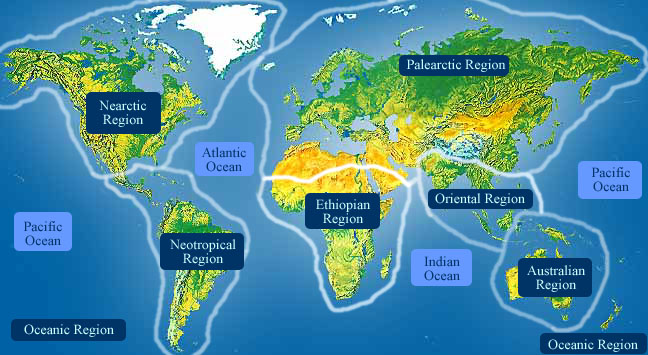
Cape ground squirrels are found in regions ranging from southern Africa in Namibia and Botwsana to South Africa. (Skurski and Waterman, 2005)
- ethiopian
- native
Habitat
Cape ground squirrels live in tropical regions. They prefer dry environments, such as savannas and grasslands. They are also found in the Kalahari Desert, which has an elevation of 600 to 1200 1000. Cape ground squirrels live in burrows, which protect them from farthermost conditions conditions also equally from predation. They exercise not hibernate. (O'Meara, et al., 2009; Skurski and Waterman, 2005)
- tropical
- terrestrial
- desert or dune
- savanna or grassland
-
- Range elevation
- 600 to 1200 m
- 1968.50 to 3937.01 ft
Physical Description
Greatcoat basis squirrels accept coarse, short hair. The color of the skin is blackness. On the dorsum of the body, individuals vary between dark and low-cal shades of a reddish brown. The underbody, limbs, neck, and face are white. They accept small ears. A defining characteristic is the extended white tail that is almost as large as the body. Females and males are dimorphic, differing in length and mass. Adult males average 452 to 476 mm, while females are around 435 to 446 mm in length. The mass of males is 423 to 649 g and females are 444 to 600 g. Average mass is 528.5 g. Basal metabolic rate has been calculated at 1.7750 Due west. (de Magalhaes, et al., 2009; Skurski and Waterman, 2005)
- endothermic
- homoiothermic
- bilateral symmetry
- male larger
-
- Range mass
- 423 to 649 g
- 14.91 to 22.87 oz
-
- Average mass
- 528.5 g
- 18.63 oz
-
- Range length
- 435 to 476 mm
- 17.thirteen to eighteen.74 in
Reproduction
Cape ground squirrels mate throughout the yr and are promiscuous. Both males and females mate with multiple partners. When females become receptive, interactions with males occur immediately after leaving the burrow in the morn. Females are in estrous multiple times a yr. Estrous does not occur at regular intervals, instead, spontaneous ovulation is thought to occur. Males search for females in estrous and copulate right away or chase females into burrows and mate there. Researchers found that mating took place both in a higher place and beneath basis. Waterman (1998) also found that the minimum time needed to ejaculate was 25 seconds. Dominant males have more mates and gain priority access in mating order. Male person to male competition occurs, yet no injuries have been reported. Researchers concluded that aggressive fighting is likewise costly considering a male would be unable to mate if injured. Instead, males approach each other side to side and employ a non-aggressive leaping display in which the backs are arched and heads are facing each other. Males must utilize competitive searching to detect females in estrous. Since dominant males accept more experience, they discover females first. Males likewise constantly disrupt mating in society to mate with the particular female that they have not mated with notwithstanding. When this happens, the disrupted male returns after to finish mating with the same female person. Even though mating disruptions happen frequently, males rarely guard their mate. (Waterman, 1998)
- polygynandrous (promiscuous)
Breeding takes place all year long with a tiptop in the winter. Cape ground squirrels live in social groups with around 3 or 4 females. However, only ane female is in estrous at a time. In one case a female mates with a male, there is an average of a 48 day gestation period that ranges from 42 to 49 days. Females take a litter of 1 to 3 pups that are altricial; they are bullheaded and naked when they are built-in. Pups come out of the burrow at the age of 45 days. Females nurse the young for an average of 52 days, so the pups swallow solid nutrient approximately seven days later leaving the burrow. At the age of 153 days, the pups have reached adult size of 570 g. Pups practice not reach sexual maturity until 8 months for males and 10 months for females. Once males reach sexual maturity, they disperse from the burrow, while females remain in the social group. (Skurski and Waterman, 2005)
- iteroparous
- twelvemonth-circular breeding
- gonochoric/gonochoristic/dioecious (sexes carve up)
- sexual
- viviparous
-
- Convenance interval
- Cape basis squirrels brood yr around, with a peak in the wintertime.
-
- Breeding season
- Convenance occurs throughou the year. Only ane female is in estrous at a time in a social group.
-
- Range number of offspring
- 1 to iii
-
- Range gestation period
- 42 to 49 days
-
- Boilerplate gestation period
- 48 days
-
- Boilerplate weaning age
- 52 days
-
- Average time to independence
- 153 days
-
- Boilerplate age at sexual or reproductive maturity (female)
- ten months
-
- Boilerplate age at sexual or reproductive maturity (male person)
- viii months
Greatcoat ground squirrels offspring are atricial at birth and need parental intendance until they are independent. Females protect their offspring in the burrows. In one case pups are 45 days of age, they can leave the burrows. Females provide food for their young through nursing until pups are 52 days old. After 52 days, pups leave the burrow to forage on their own. Pups reach full adult size at 153 days. Once males accomplish sexual maturity at ten months, they no longer associate with the social group. Once females accomplish sexual maturity at 8 months, they stay with the social group and continue to acquaintance with the mother. Males are found to have no involvement in parental intendance. (Skurski and Waterman, 2005)
- altricial
- pre-fertilization
- provisioning
- protecting
- female
- pre-hatching/birth
- provisioning
- female
- protecting
- female
- provisioning
- pre-weaning/fledging
- provisioning
- female
- protecting
- female person
- provisioning
- post-independence clan with parents
Lifespan/Longevity
Little is known about the lifespan of this species in the wild. However, the longest lifespan institute in captivity is 11.5 years. (de Magalhaes, et al., 2009; de Magalhaes, et al., 2009)
-
- Range lifespan
Condition: captivity - 11.5 (high) years
- Range lifespan
Behavior
Greatcoat basis squirrels are diurnal animals that live in burrows. They typically leave the couch in the morn, often a couple of hours afterward sunrise. On arising, they groom themselves and lie stomach down in the sun. After a short while, ground squirrels begin foraging in the grasslands. In the afternoon hours, they tend to groom and socialize. In the hot, afternoon lord's day, these squirrels raise their large, fluffy tails to act as an umbrella for shade. They escape to burrows to help regulate torso temperature. Their repeated escape and emergence from burrows during the day is called "shuttling". Greatcoat ground squirrels typically return to burrows at night. (Fick, et al., 2009; Skurski and Waterman, 2005)
Female person Cape ground squirrels live in social groups of 1 to 4 females with their offspring. Females in social groups share living quarters and frequently groom each other. Males live separately, with upwards to 19 grouping members. Females have no social bureaucracy, yet males take a strict linear hierarchy according to historic period. While a authorisation hierarchy exists, males still groom each other regardless of rank. When competition occurs, males exercise engage in physical fights, using leaping displays instead. (Fick, et al., 2009; Skurski and Waterman, 2005)
- terricolous
- fossorial
- diurnal
- motile
- sedentary
- social
- dominance hierarchies
-
- Average territory size
- 700 m^2
Home Range
Greatcoat ground squirrels do not wander far from burrows while foraging. Burrows are arranged in split bunches and some are connected underground. Researchers found 60 burrow entrances in a 700 square meter area and groups of burrows were separated by 200 m. (Waterman and Roth, 2007)
Communication and Perception
Cape ground squirrels communicate with one another vocally. Alarm calls are used to warn each other of a threat. When the threat is extreme, squirrels let out a high pitched shrill. If the threat is less intense, a medium pitch is used. Young squirrels use chirping calls during play. Young squirrels also use squeaks to advertise their disapproval when their mother handles them. During daily interactions, ground squirrels use growls to communicate. Like most other mammals, it is probable that they apply olfaction extensively in communication as well. (Skurski and Waterman, 2005)
- audio-visual
- chemic
- visual
- tactile
- acoustic
- chemic
Food Habits
Cape ground squirrels eat bulbs, grasses, herbs, insects, seeds, and shrubs. (Skurski and Waterman, 2005)
- omnivore
- insects
- leaves
- seeds, grains, and nuts
Predation
Known predators of Xerus inauris are black-backed jackals (Canis mesomelas). Belton et. al (2007) found that Cape ground squirrels took longer to come out of their burrow when black-backed jackals feces was nowadays. Once out of the burrow, squirrels investigated the feces and searched the area for the predator with extreme caution. This confirms that Cape ground squirrels utilise olfactory cues to detect predators. Puff adders (Bitis arietans) and monitor lizards (Varanus exanthematicus) are also known predators of Greatcoat footing squirrels. Their social living, cryptical coloration, and vigilance help to protect them from predation.
When a predator approaches, a male and female squirrel will "mob" attack the predator. This "mobbing" involves putting their tails between their own bodies and the predator's trunk. This is only a defence, because if the predator attacks, Cape ground squirrels will abscond. (Belton, et al., 2007; Skurski and Waterman, 2005; Waterman and Roth, 2007)
- cryptic
-
- Known Predators
-
- blackness-backed jackals (Canis mesomelas)
- puff adders (Bitis arietans)
- monitor lizards (Varanus exanthematicus)
Ecosystem Roles
Cape ground squirrels do good their environment when they create burrows considering meerkats (Suricata suricatta) and xanthous mongooses (Cynictis penicillata) employ them as protection from predation and to regulate torso temperature. Cape basis squirrels also increase visibility when they remove plants from the surface while they consume. Cape ground squirrels accept a mutualistic relationship with meerkats. Meerkat warning calls warn squirrels of potential danger from predators. In plough, Greatcoat ground squirrels provide burrows. A broad variety of parasites are known from Cape ground squirrels. (Skurski and Waterman, 2005; Waterman and Roth, 2007)
- creates habitat
Commensal/Parasitic Species
- fleas (Ctenocephallaes connatus)
- ticks (Echidniphaga bradyta)
- Echnidniphaga gallinacea
- Neohaematopinus faurei
- Synosternus caffer
- Rhipicephalus theileri
- Xeroxyruis paralllela
Economic Importance for Humans: Positive
Greatcoat basis squirrels are interesting and important members of native ecosystems.
Economic Importance for Humans: Negative
Greatcoat ground squirrels deport rabies and occasionally damage crops. (Skurski and Waterman, 2005)
- injures humans
- carries human disease
- crop pest
- causes or carries domestic animal illness
Conservation Status
According to the IUCN Scarlet Listing, this species has maintained a steady population trend with no specific threats. (Griffin and Coetzee, 2008)
-
- IUCN Red List
- Least Business organization
More information
-
- IUCN Red List
- Least Business
More than information
-
- US Federal List
- No special condition
-
- CITES
- No special condition
-
- State of Michigan List
- No special status
Contributors
Taryn Richards (author), James Madison University, Suzanne Baker (editor, instructor), James Madison University, Tanya Dewey (editor), Animal Variety Web.
Glossary
- Ethiopian
-
living in sub-Saharan Africa (south of 30 degrees north) and Madagascar.
- audio-visual
-
uses sound to communicate
- altricial
-
young are built-in in a relatively underdeveloped land; they are unable to feed or care for themselves or locomote independently for a period of time later on birth/hatching. In birds, naked and helpless afterwards hatching.
- bilateral symmetry
-
having body symmetry such that the fauna can be divided in one plane into two mirror-paradigm halves. Animals with bilateral symmetry accept dorsal and ventral sides, also as anterior and posterior ends. Synapomorphy of the Bilateria.
- causes or carries domestic creature affliction
-
either straight causes, or indirectly transmits, a disease to a domestic fauna
- chemical
-
uses smells or other chemicals to communicate
- cryptic
-
having markings, coloration, shapes, or other features that cause an brute to be camouflaged in its natural environment; being difficult to meet or otherwise notice.
- desert or dunes
-
in deserts depression (less than 30 cm per yr) and unpredictable rainfall results in landscapes dominated by plants and animals adjusted to dehydration. Vegetation is typically thin, though spectacular blooms may occur following rain. Deserts can exist cold or warm and daily temperates typically fluctuate. In dune areas vegetation is also sparse and atmospheric condition are dry. This is because sand does non hold water well then niggling is available to plants. In dunes nigh seas and oceans this is compounded by the influence of common salt in the air and soil. Salt limits the ability of plants to accept up water through their roots.
- diurnal
-
- agile during the solar day, ii. lasting for one day.
- authority hierarchies
-
ranking organization or pecking order among members of a long-term social group, where dominance status affects access to resources or mates
- endothermic
-
animals that utilize metabolically generated oestrus to regulate body temperature independently of ambient temperature. Endothermy is a synapomorphy of the Mammalia, although it may have arisen in a (now extinct) synapsid ancestor; the fossil tape does not distinguish these possibilities. Convergent in birds.
- fossorial
-
Referring to a burrowing life-style or beliefs, specialized for digging or burrowing.
- iteroparous
-
offspring are produced in more than than one group (litters, clutches, etc.) and across multiple seasons (or other periods hospitable to reproduction). Iteroparous animals must, by definition, survive over multiple seasons (or periodic condition changes).
- motile
-
having the chapters to move from one place to another.
- native range
-
the surface area in which the beast is naturally found, the region in which it is endemic.
- omnivore
-
an animal that mainly eats all kinds of things, including plants and animals
- polygynandrous
-
the kind of polygamy in which a female pairs with several males, each of which also pairs with several different females.
- sedentary
-
remains in the same area
- sexual
-
reproduction that includes combining the genetic contribution of 2 individuals, a male and a female
- social
-
assembly with others of its species; forms social groups.
- tactile
-
uses impact to communicate
- terrestrial
-
Living on the footing.
- tropical
-
the region of the globe that surrounds the equator, from 23.v degrees north to 23.5 degrees south.
- tropical savanna and grassland
-
A terrestrial biome. Savannas are grasslands with scattered private trees that do not form a airtight canopy. Extensive savannas are found in parts of subtropical and tropical Africa and South America, and in Australia.
- savanna
-
A grassland with scattered trees or scattered clumps of copse, a blazon of community intermediate between grassland and forest. See also Tropical savanna and grassland biome.
- temperate grassland
-
A terrestrial biome found in temperate latitudes (>23.5° N or Due south latitude). Vegetation is made upwardly mostly of grasses, the acme and species diversity of which depend largely on the amount of moisture available. Burn and grazing are important in the long-term maintenance of grasslands.
- visual
-
uses sight to communicate
- viviparous
-
reproduction in which fertilization and development take identify within the female torso and the developing embryo derives nourishment from the female person.
- year-round breeding
-
breeding takes identify throughout the year
References
Belton, L., N. Ball, J. Waterman, P. Bateman. 2007. Practice Greatcoat footing squirrels (Xerus inauris) discriminate between olfactory cues in the faeces of predators versus not-predators?. African Zoology, 42(1): 135-138.
Fick, 50., T. Kucio, A. Fuller, A. Matthee, D. Mitchell. 2009. The relative roles of the parasol-like tail and burrow shuttling in thermoregulation of free-ranging Cape ground-squirrels, Xerus inauris.. Comparative Biochemistry and Physiology, 152: 334-340.
Griffin, M., N. Coetzee. 2008. "Xerus inauris" (On-line). 2008 IUCN Cerise Listing of Threatened Species. Accessed Apr 27, 2009 at www.iucnredlist.org.
O'Meara, P., A. Lemon, North. Winchester. 2009. "South Africa" (On-line). Microsoft® Encarta® Online Encyclopedia. Accessed Apr 27, 2009 at http://encarta.msn.com.
Skurski, D., J. Waterman. 2005. Mammalian Species: Xerus inauris. American Society of Mammalogists, 781: i-four. Accessed April 22, 2009 at http://world wide web.science.smith.edu/departments/Biology/VHAYSSEN/msi/pdf/i1545-1410-781-1-1.pdf.
Waterman, J. 1998. Mating tactics of male Cape basis squirrels, Xerus inauris: consequences of year-circular breeding. Periodical of Animal Behaviour, 56: 459-466.
Waterman, J., J. Roth. 2007. Interspecific associations of Cape ground squirrels with two mongoose species: benefit or cost?. Behavioral Ecology and Sociobiology, 61(xi): 1675-1683.
de Magalhaes, J., A. Budovsky, K. Lehmann, J. Costa, Y. Li, V. Fraifeld, M. Church building. 2009. The Homo Ageing Genomic Resource: online databases and tools for biogerontologists. Aging Cell, 8(1): 65-72.
Source: https://animaldiversity.org/accounts/Xerus_inauris/

Post a Comment for "How Big Is a Baby Cape Ground Squirrel"